If chimneys are not swept regularly soot, tar and creosote can build up to dangerous levels in a surprisingly short period of time. Once that crucial dangerous level has been reached the risk of a chimney fire increases. Not only stray sparks but the heat generated and carried up through the chimney flue heats the soot and tar releasing volatile gasses into the chimney, these gasses can then ignite. Once the fire takes hold it can spread very quickly through the whole chimney.
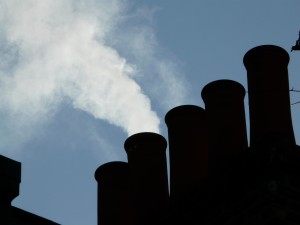
When a chimney is on fire you may hear a roaring sound coming from the chimney / fireplace, especially when using an open fireplace, this is the fire sucking oxygen up from the room. More smoke than usual or flames can be seen coming out from the chimney outlet and even pieces of molten or burning soot may fall out of the fireplace. The appliance (wood burner or stove) may vibrate. It may also be possible for chimney to be on fire without you noticing any of the above symptoms.
Soot and tar when burning can easily reach temperatures of 1000 degrees Centigrade
( yes, one thousand ) inside the chimney flue. This can cause major damage to brickwork and refractory liners within the chimney system causing cracks and even structural damage. Damage to brickwork within the roof space can lead to timbers within the roof space catching fire causing the fire to spread to other parts of the property or attached properties. Heat can transfer through walls and brickwork to combustible items and even sparks and flames from the chimney outside can set the roof alight, dormer extensions if too close are at risk also. Thatch roofs are particularly at risk.
If you experience a chimney fire you should call 999.
If it a closed appliance such a wood burner, stove or cooker you should close off all of the air vents if it’s safe to do so to reduce the oxygen supply to the fire inside the chimney. If it’s an open fire, try to extinguish the fire by splashing water over it, never poor water into a stove or wood burner. With an open fire, once the fire in the grate is out try to seal the fireplace opening with a non combustible board, again in an attempt to starve the fire of oxygen. If the chimney breast upstairs becomes hot during a chimney fire remove any furniture or bed heads away from it and the carpet if possible.
Do not trust the old wives tale – do not extinguish the fire with salt, doing so will create a very harmful gas.
If you experience a chimney fire, ensure that the chimney is thoroughly checked out by a competent person before using the fireplace again. It is likely that some damage will have occurred that may require remedial action before the fireplace can be used safely again.
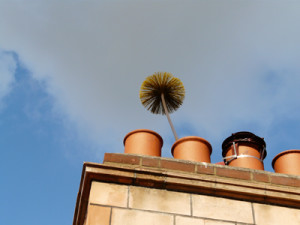
Use only a registered, trained chimney sweeping company to sweep and inspect the chimney for you, they will issue an Industry Standard Certificate of Chimney Sweeping on completion of their works, this is recognised by all Leading Insurance Companies.
Ensure that the appliance is initially fitted, then regularly serviced by a HETAS registered competent person for solid fuel appliances, by a Gasafe engineer for gas appliances and by an OFTEC engineer for oil fired appliances.
Chimneys should be swept at least once a year when burning smokeless coal.
Every three months when burning wood.
At least twice a year when burning Bituminous coal.
And, once a year for gas and oil fired appliances.
If in doubt don’t take a chance, get it checked by a professional, Apex Chimney Sweeps carry out complete safety inspections and a full sweeping service.
Contact Apex Chimney Sweeps to book a professional chimney sweeping company!
